A fifteen-second commercial needs a different performance from a twenty-minute training module or the telephone greeting your customers hear every day. Voice over covers several specialities, each with its own conventions: duration, pace, energy, and a way of working with images or without them.
Before deciding how to perform a script, I ask what it needs to do. Spark interest, explain, tell a story, welcome someone or bring a character to life: that intention, more than the timbre, is what distinguishes one speciality from another.
For over twenty years, I have moved between these specialities for agencies, production studios and brands. Here is how I approach them, what each asks of the voice, and a demo to hear for each one.
What your script needs to do
Choose the response you want from your listener. The console points you to the relevant speciality, the section of this guide that explains it and my demo page.
Catch attention in a few seconds and make a brand, a promise or a date memorable.
Explain clearly and hold attention, from a one-minute video to a training module.
Accompany the images, set the tone of a story and give the viewer room to breathe.
Make a good impression from the first second and make the wait more comfortable.
Give a character a personality, an age and an energy.
Keep a French touch in an English script.
You can also hear all my demos in The Booth, filter them by intention and save your favourites.
Spark interest in a few seconds
Commercials and audio branding share a challenge: you have just a few seconds of attention, and those seconds need to stay with the listener.
Commercials
A commercial is a condensed score: fifteen seconds, twenty, thirty if you are lucky, sometimes six for a social media format. In that time, the voice needs to catch attention from the first syllable, carry the promise and leave the brand in the listener's mind.
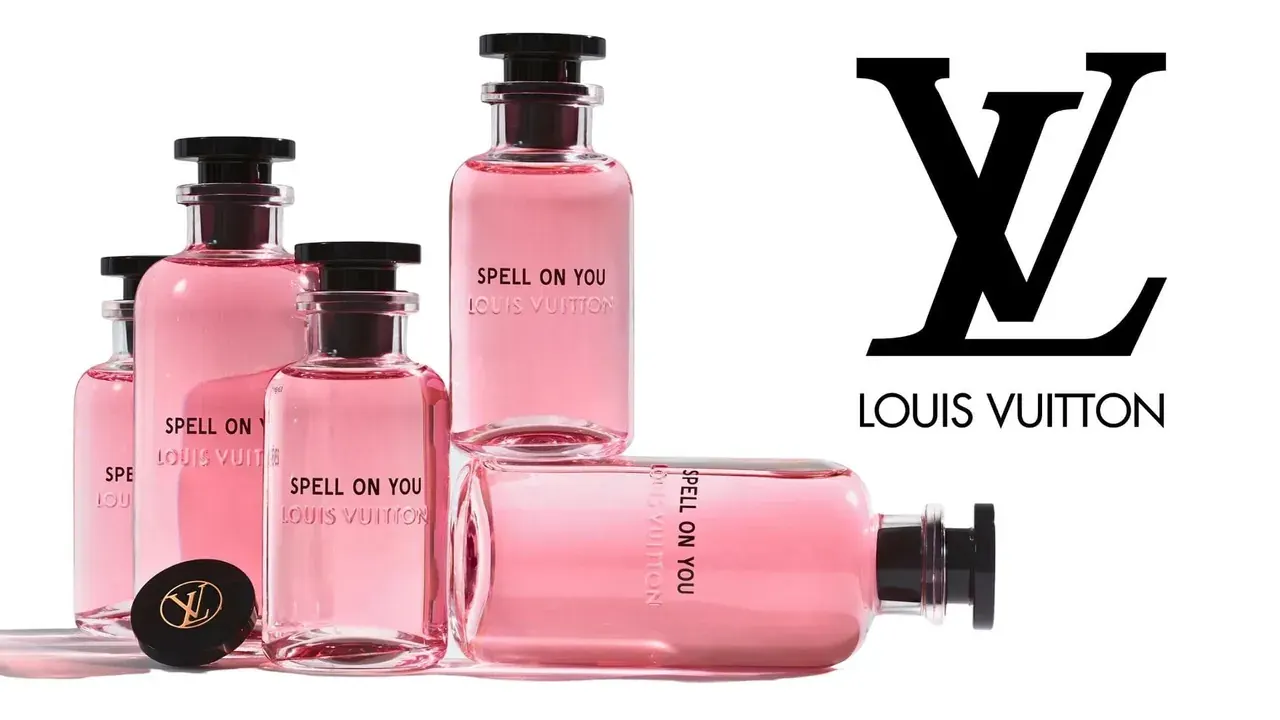
Every campaign has its own character. For Coca-Cola Light, each phrase needed to catch attention from the first second, like a smile cutting through the noise of a car or supermarket. For Louis Vuitton’s Spell on You fragrance, I laid the voice down like a veil, looking for slowness and restraint.
On radio, there are no pictures to help: you are speaking to people who are driving, cooking or working. The Lexus commercial called for a careful balance of authority and flow, inspiring confidence without sounding heavy.
Radio imaging and in-store announcements
Imaging gives a radio station its identity: jingles, liners, sweepers, time signals and station promos. The voice becomes a signature the listener recognises instantly between tracks.
In a shop, the voice informs people while fitting into the atmosphere. For Intermarché or Truffaut, announcements stay clear above the noise of the aisles, present without taking over. The same applies to messages for Paris Airports: every instruction needs to be understood first time.
Make the meaning clear, from first word to last
A corporate film, animated video or training module needs a voice that organises the information and holds attention, sometimes for many minutes. The performance serves that purpose.
Corporate films
A corporate film sets the context, inspires trust and carries what can be a dense message without weighing it down. For UNESCO, my voice needed to be neutral without feeling cold, measured without sounding distant. I looked for a gentle gravity that carried the message while keeping it alive.
Toyota Material Handling called for a reassuring energy that suggested innovation and reliability. When a film addresses employees, for onboarding, HR or results, as with Boulanger, the voice accompanies and explains rather than imposing itself.
For these films, everything starts with the brief: objective, tone, pace and deliverables. I cover them in my corporate voice over brief guide.
Motion design
In motion design, the voice and animation move together: a sentence lands on a transition, a key word on an element appearing on screen. Alexandre Yiannki, a motion designer at Naki Studio, wrote to me: “I really had very little to cut or move around.” That is what I aim for: a well-timed voice that makes your edit easier.
Les Mousquetaires, Audit Consulting Group, WikiBus: sometimes technical subjects that need to feel clear and lively in a short space of time.

E-learning
In training, the real challenge is duration: holding attention without tiring the listener, making sometimes complex ideas clear, and staying pleasant to listen to after twenty or thirty minutes.
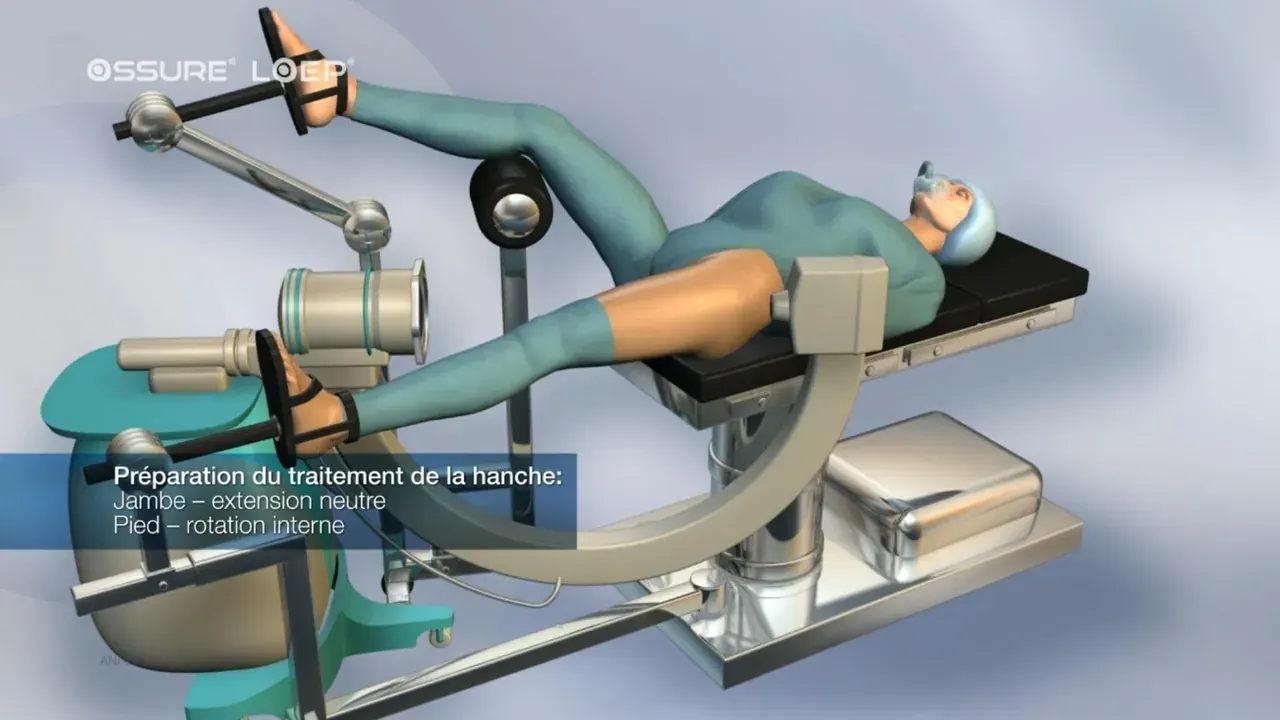
For Ossure Loep’s medical tutorials for orthopaedic specialists, the content was dense and full of technical terms. I needed to stay clear and present without becoming intrusive. Serious games need more momentum: encouragement without talking down to the learner, keeping focus while adding energy. And in a tutorial, such as Max Actif for SNCF, every instruction must be understood first time.
To plan your budget, the estimate on the e-learning page starts with your script’s word count.
Tell the story at the pace of the images
Documentaries
In a documentary, the voice becomes an unobtrusive guide. The camera captures landscapes, faces and the rhythm of a place; the voice follows that movement, accompanying it without taking over.
For a NASA documentary about Perseverance, my role was to serve the images: a respectful, almost contemplative tone that gave the viewer space between pieces of technical information. For the Faroe Islands, I looked for a more enveloping delivery, bringing out the history and poetry of the places.
Documentaries also use translated voice over: my French voice laid over a speaker's testimony in another language, even more discreetly, so the person speaking can still be heard.

Your company's first handshake
Voicemail and on-hold messages
Very often, the first voice a customer hears belongs to the telephone system. That voice already says something about the company: how welcoming, professional and clear it is.
For Google support’s greeting and automated phone system, every sentence was carefully judged: clear, warm, never too familiar. A pause in the right place, a smile you can hear. Clients often tell me: “Your voice sounds as though it’s smiling!” That is exactly what a welcome message needs.
Step into a character in a few takes
Characters and video games
Animation and video games are worlds where the voice can truly transform. Every character has a timbre, energy and rhythm. A granny going off the rails, an unsettling witch, a restrained character: I look for what makes them live, then let you hear it.
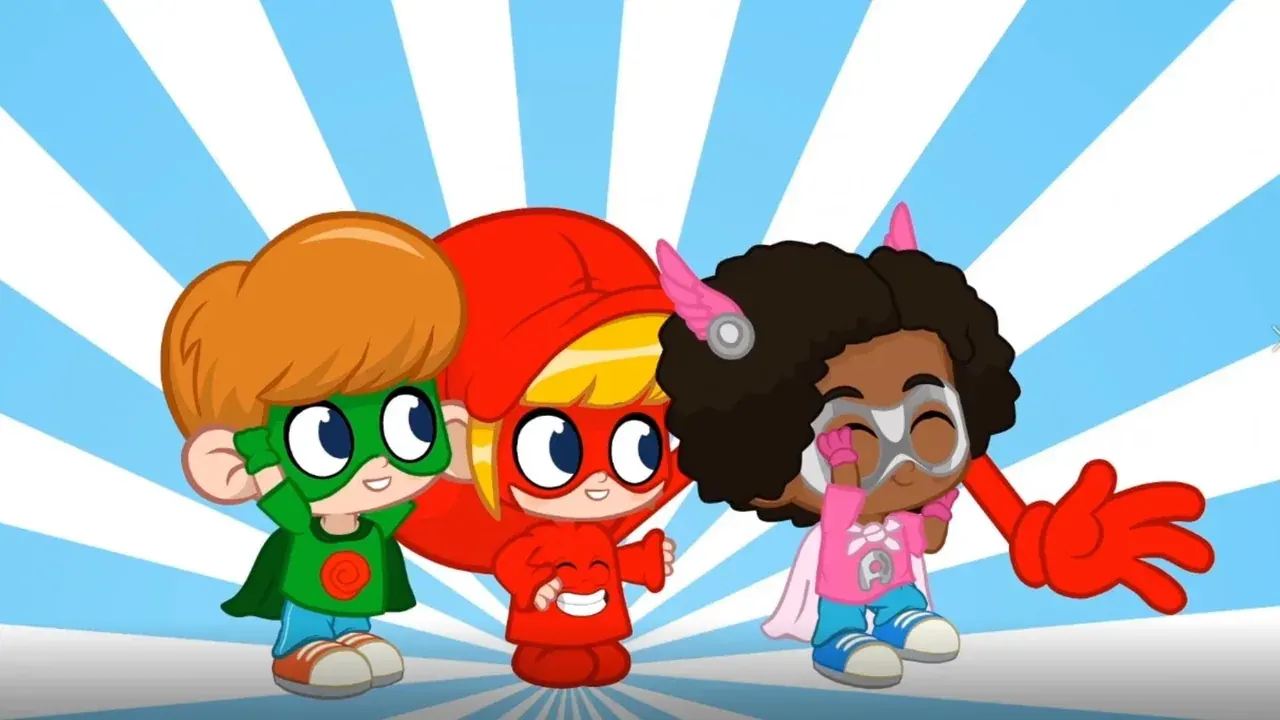
For the colourful children's cartoon Morphle, my voice needed to be clear, cheerful and almost bouncy, holding attention and feeding the story's imagination.
Child voices
For a natural child or teenage voice, I work with Florine Hubert. In the trailer for Dofus, L’Éternel Conflit, she plays two registers: a little girl and a boy warrior. Commercials, animation, video games, audio drama or documentaries: her voice fits the character's age.

Two child voices in battle
- Child voice · Florine Hubert
- Video game trailer
- Captivating
- Expressive
- Young
Sound French, in English
English with a French accent
Some brands want people to hear France, even in English: a beauty house, a tyre, a mineral water or a fragrance. I record in English with my own French accent, from a knowing smile to a more understated delivery.
The accent is part of the character, and you can hear exactly what it sounds like in my demos before choosing. For a native English voice, I can point you towards colleagues in my network.
Beauty, in a low, sensual voice
- English with a French accent
- Elegant
- Deep
- Sensual
- English voice-over
How I work across the specialities
The performance changes with the speciality; the way we work stays the same. You send me your script and brief. We set out the work, usage rights and schedule in a quote. Once it is approved, we arrange the recording.
You choose your role in the recording session. In a directed session, we can see each other, work quickly and adjust together. I adapt to your remote connection setup. If you prefer me to record independently, I follow the agreed direction, offer ideas and send you the takes to review.
When your direction is precise, I follow it. When you are still finding the tone, I let you hear different approaches, warmer, livelier or more measured, and we choose together what serves your message. I explain this in my article on voice over intentions.
Your questions about voice over specialities
How many voice over specialities are there?
There is no official list, but the main families recur: commercials and radio imaging, corporate films and motion design, e-learning, documentaries, telephony, characters and video games. Related fields include dubbing, audiobooks and audio description.
Can one voice actor work across all the specialities?
Yes, provided they can change register: intention, pace and energy adjust to each use. That is what I do every day, from commercials to e-learning. For a male voice, a language I do not speak or a native English voice, I can point you towards colleagues in my network, such as Pierre-Alain de Garrigues, the French voice of the Innkeeper in Hearthstone.
How do I know which speciality my project belongs to?
Start with what your script needs to do: spark interest, explain, tell a story, welcome someone or bring a character to life. The medium and length of use help define the rest. If you are unsure, send me your script. I can tell you how I hear it and, depending on the project, a free audition on an excerpt lets you hear it too.
Does the fee change between specialities?
Yes, because the use and distribution change. A commercial is quoted according to its media, licence period and territory; a corporate film by duration; an e-learning module by word count. My Rates & sessions page explains how I quote. Each quote includes the voice performance, recording studio and usage rights defined for your project.
Do some specialities overlap?
Yes, often. A corporate film may borrow from documentary, a serious game may feel like an animated commercial, and a motion design video may serve as a tutorial. The intention makes the difference, and that is what I look for first.
Can I follow the recording remotely?
Yes. I adapt to your remote connection setup: Source-Connect, SessionLink Pro, Cleanfeed, Zoom, Teams or Meet. You hear the takes live and we adjust together, as though you were in the room.