Voice-over: male or female?

It’s a question that often comes up when launching a project: “Estelle, for this spot/video/module, would you recommend a female or male voice?” A legitimate question, because the voice that will carry your message is not a trivial detail. It will color perception, create (or not) a connection – in short, it’s an essential component of your communication.

So, man or woman? If only the answer were that simple…

Why does this question come up so often?

It has to be said that we’re all steeped in habits and, sometimes, clichés. For a long time, certain types of message seemed to be reserved for one gender: seriousness and technique for men, gentleness and care for women. But these codes die hard!

What’s more, choosing a voice is a commitment. It’s an investment, and we naturally seek to minimize the risks, to ensure that the message will be well received. The question of gender thus appears as a tangible, almost reassuring criterion, in a field where subjectivity plays a major role.

But is this really the right criterion?

The (supposed) advantages of a female voice

Female voices are often credited with warmth, empathy and gentleness. They are ideal for creating closeness, reassurance and educational explanations.

  • TV commercial example: For an ad promoting a baby care product, a soft, maternal female voice seems an obvious choice to create an emotional connection with young parents.
  • E-learning example: For a training module on well-being in the workplace, a calm, benevolent female voice can make it easier to get people on board and listen.

These perceptions do exist, and they can be accurate in certain contexts. But let’s be careful not to confine women’s voices to these registers.

The (supposed) advantages of a male voice

Conversely, male voices are often associated with authority, credibility and quiet strength. They’re perfect for convincing, asserting and conveying a sense of seriousness and reliability.

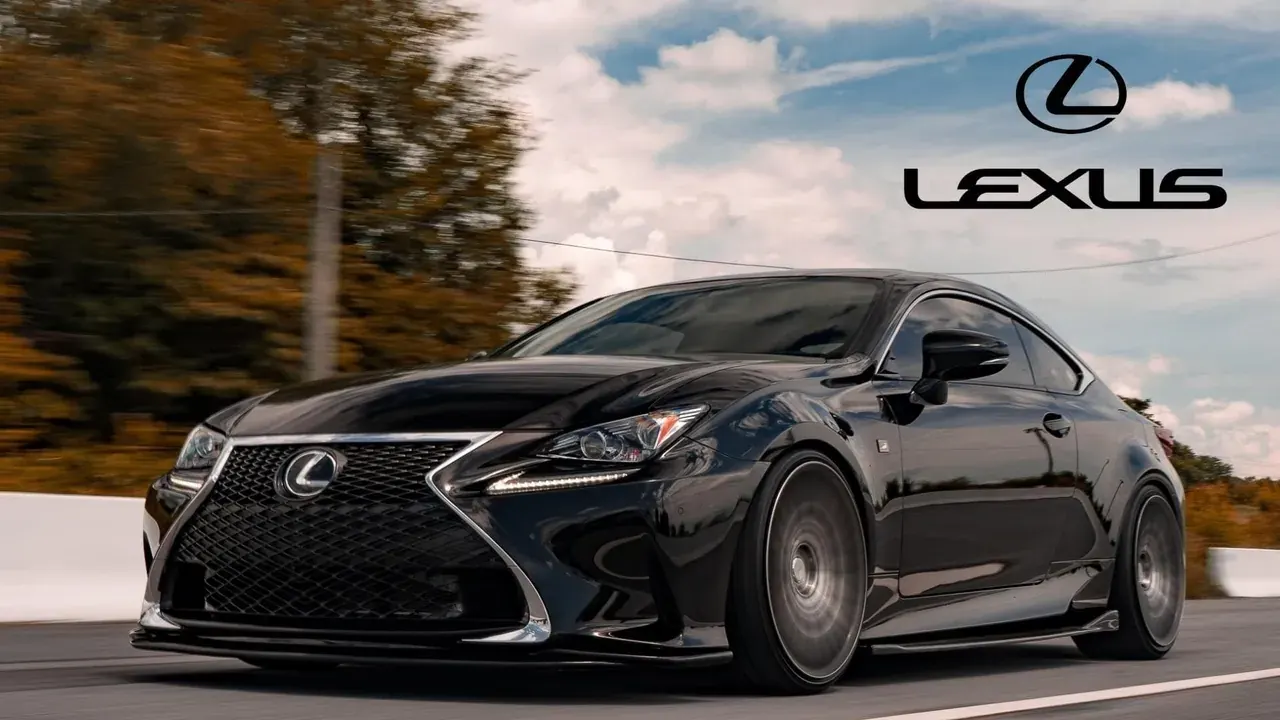
  • Example Radio spot: For an advert for a powerful new car, a deep, confident male voice can reinforce the image of performance and sturdiness.
  • Corporate video example: To present the annual results of a large company, a calm, serious male voice can lend credibility to the speech.

Here again, these associations sometimes work, but they are neither systematic nor universal.

The real issue: intention, not gender

Because the real question is not so much “woman or man?” but rather: “What intention, what emotion, what energy should my voiceover convey to best serve my message, to my target, on this specific channel?”

The type of voice is only one of the parameters, and often not the most decisive. What really counts is :

  • Message intent: are you trying to inform, reassure, energize, move or convince? The right tone stems from this intention.
  • The target audience: Who are you talking to? What are their codes and expectations? A voice that sounds like them or, on the contrary, creates an interesting contrast?
  • The broadcast channel: A voice for an ultra-short radio spot will not have the same characteristics as a voice for a long documentary narration.
  • Your sound identity (Vocal Branding): The voice you choose must be consistent with the overall image of your brand or project. It helps forge your signature.

A professional voice-over artist, whether male or female, is first and foremost an interpreter. It knows how to modulate its tone, its rhythm and its energy to perfectly match the requested intention. That’s where the real added value lies.

Listening and discussing with you, the customer, is essential. Understanding your deepest needs, beyond the first idea, is the key to proposing the right interpretation. Then, by being flexible, you can adjust and refine until you find the perfect vibration.

Conclusion: choosing the right voice

So, man or woman? There’s no easy answer. The ideal choice is the one born of reflection on your intention, your target and your context, and which takes shape in the right, controlled interpretation.

The most important thing is to find the voice that will embody your message authentically and effectively. The one that will create that unique connection with your audience.

Vous hésitez encore ? C’est normal ! Chaque projet est différent. Le mieux est souvent d’écouter différentes propositions pour sentir ce qui résonne le mieux. N’hésitez pas à explorer mes démos voix pour vous faire une idée plus précise des possibilités.

Et si vous souhaitez en discuter pour votre projet spécifique, je suis là pour vous guider et partager mon expérience, simplement et sans engagement.

Need a French Voice Over Artist for Your Audio Project?

GET YOUR FREE VOICE OVER QUOTE !