
There is that moment. The one when nothing comes out. Or almost nothing. A frayed syllable, a broken ending to a sentence, a breath that gives away your tiredness, a voice like Jeanne Moreau’s. When you earn your living with your voice, whether you are a voice over artist, a teacher, a hairdresser in a noisy salon, a lawyer or a trainer, it feels a little as though your working tool has decided to bow out… without notice.
And yet we carry on. We push. We compensate. We force it. It took me fifteen years to understand that this was not a good idea.
Fifteen years believing that “it would pass”. Fifteen years ignoring the early signs. Until the day I really lost my voice. Completely. It cut out. Emergency cortisone. Back to work three days later, because the project was urgent, because I “could” speak. The result: six months of vocal difficulties, irritation, stress, doubts and sentences breaking off at the end. I probably strained my vocal folds. And I was not alone: many voice professionals make this kind of mistake.
Today, my voice knows me, and I listen to it. As soon as it weakens, I stop. I act. I have tools, coaches and routines (I even wear a Covid mask outdoors in damp weather; it is not chic, but I find it very useful). I have understood that a voice needs looking after. It needs preparation. Above all, lozenges and syrup are not the whole answer.
What I am going to share here is not a miracle cure. It is experience. It is what more than twenty years of work, tiredness, coaching and listening have taught me: your voice comes from your breath, your body and your history too. It deserves some attention.
So if you get tired too, if your voice cracks, or if you simply want to learn how to work with it more comfortably… stay with me. We will talk about care, breathing, posture, invisible blocks, simple routines and exercises that feel like magic. Perhaps even core work (although, I admit, I am still finding my feet with that one).
When your voice falls silent, it is not a coincidence: it is a signal
Losing your voice is never just “a chill” or “a little passing tiredness”. It is a signal from the body, sometimes subtle, sometimes abrupt, but never insignificant. When you depend on your voice every day, that signal becomes a real turning point.
Sometimes we ignore it, put it off or cover it up. Until the day when… nothing. Or rather, a rough, unsteady sound, sentences breaking off at the end, a voice that no longer carries. I know this scenario well, having lived through it several times, at very different points in my career. Each time, the message was there: “you are going too fast, pushing too far.”
Of course, I sought medical advice. From several voice specialists. Prescriptions, sometimes useful, but rarely accompanied by a proper rehabilitation plan or an assessment of the whole picture. What we often forget is that the voice is more than an inflamed larynx. It involves the whole body, the mind and the circumstances around us.
The longest period of voice loss I experienced lasted six months. Six months of a muffled, rough voice, stress before every session and invisible tiredness. It could have lasted longer if I had not finally accepted that I needed to slow down.
Beyond the usual causes (tiredness, intensive recording, poorly adjusted air conditioning), there are less obvious factors. Alcohol, for example, can encourage night-time acid reflux that quietly irritates the vocal folds. And I can tell you that when you attend an event bringing together 300 voice actors in an air-conditioned hotel beside the Thames… let us just say that the combination of “party + air conditioning + prosecco” is fertile ground for losing your voice.
But that time, I did things differently. I took seven days of complete rest, in silence. I returned gently, with specific vocal support to bring my voice back with care, including voice coaching with Julie Liebon, whose wonderfully gentle approach helps you start again without forcing it.
We will come back to that. Because the next step is precisely this: understanding that the voice is, first of all, a body speaking. Sometimes, it is a body saying stop
The voice: a body expressing itself
The voice is not an isolated entity, suspended somewhere in the larynx. It does not “come out” like a mechanical sound we can switch on at will. It is connected. To everything. To the breath, of course. To posture. To our emotional state. To what we have lived through and processed (or not). Above all, to the body as a whole.
I became fully aware of this when I started working with an osteopath. After years of concentrating on my vocal folds, it was having my back released that made me feel a radical change. My voice became clearer. Settled. Fluid. As though the air had found a freer path. Since then, those appointments have been part of my vocal care routine. Because sometimes the tension does not come from the throat… but from the pelvis, the neck or the solar plexus.
Several coaches have taught me about this link between body and voice. Each in their own way. With sensitivity, high standards and humanity.
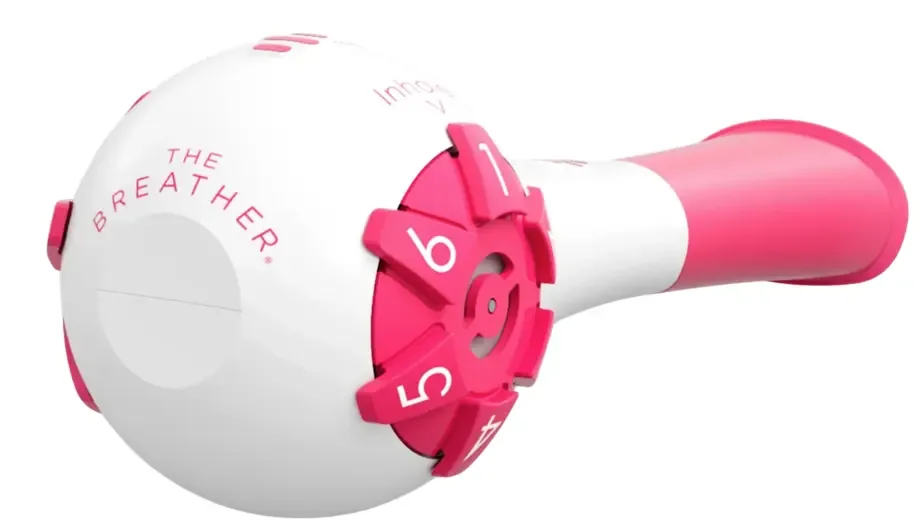
- First, Sébastien Croteau. The extreme voice specialist. Three hours of coaching with him were enough to help me understand that you do not create a powerful sound by pulling at your vocal folds. You do it by engaging the diaphragm, managing pressure and using resonance. It is an art: highly technical and physical. With him, I learnt practical tools, such as the Breather device I regularly use to develop breath and control.
- Then, Nathalie Caso. A classically trained singer and voice actor with bright, kind blue eyes, she reconnected me with the role of posture in voice. With her, not a note comes before the body unfolds. Shoulders, back, neck: everything matters. She taught me to make space before even opening my mouth. Ever since, each day has begun with a few simple movements. Because a tense voice goes with a tense body.
- And then there was Alexandre Damiani, founder of LeGoVoce and a vocal and spiritual coach. With him, my voice took on another dimension. One of legitimacy, of feeling right within myself. His vocal support goes beyond technique: it touches on identity. The space we take. The space we allow ourselves to take. He helped me reconnect my voice to something deeper, release invisible, almost silent blocks. Some episodes of voice loss are mechanical; others are emotional. Alexandre helped me find the words where I had been holding them back. Alex, I love you, but do not tell your wife.
All of this is a journey. A process. Even today, I am still discovering, adjusting and breathing differently. With more awareness, more gentleness and more respect for this living instrument.
My routine for looking after my voice: tried, tested and adopted
Consistency is the key. Since I stopped believing in miracle cures, I have built a realistic, gentle routine that works for me. It is not fixed: I adjust it to the season, the intensity of projects or simply how I feel. But there are a few things I always come back to:
- Immediate rest at the first signs of tiredness: roughness, tension in the throat, a voice that runs out. No quick voice messages, no whispering, no unexpected calls. I stop. I breathe. And now, I whistle. Yes, really. Not a little tune for a country walk. A good, old-fashioned, powerful whistle, the kind that cuts through headphones or carries across three floors with ease. At home, it has become the official family rallying signal. When my children are scattered around the flat, out in the street or deep inside their gaming headsets… that whistle speaks for me. Extremely effective. And no vocal effort.
- Herbal Gem’s Chantres syrup: my first reflex. I find it hydrating, soothing and supportive. Some people prefer Bolshoi elixir, others homemade herbal tea or Euphon lozenges. For me, it is this syrup. A trusted standby.
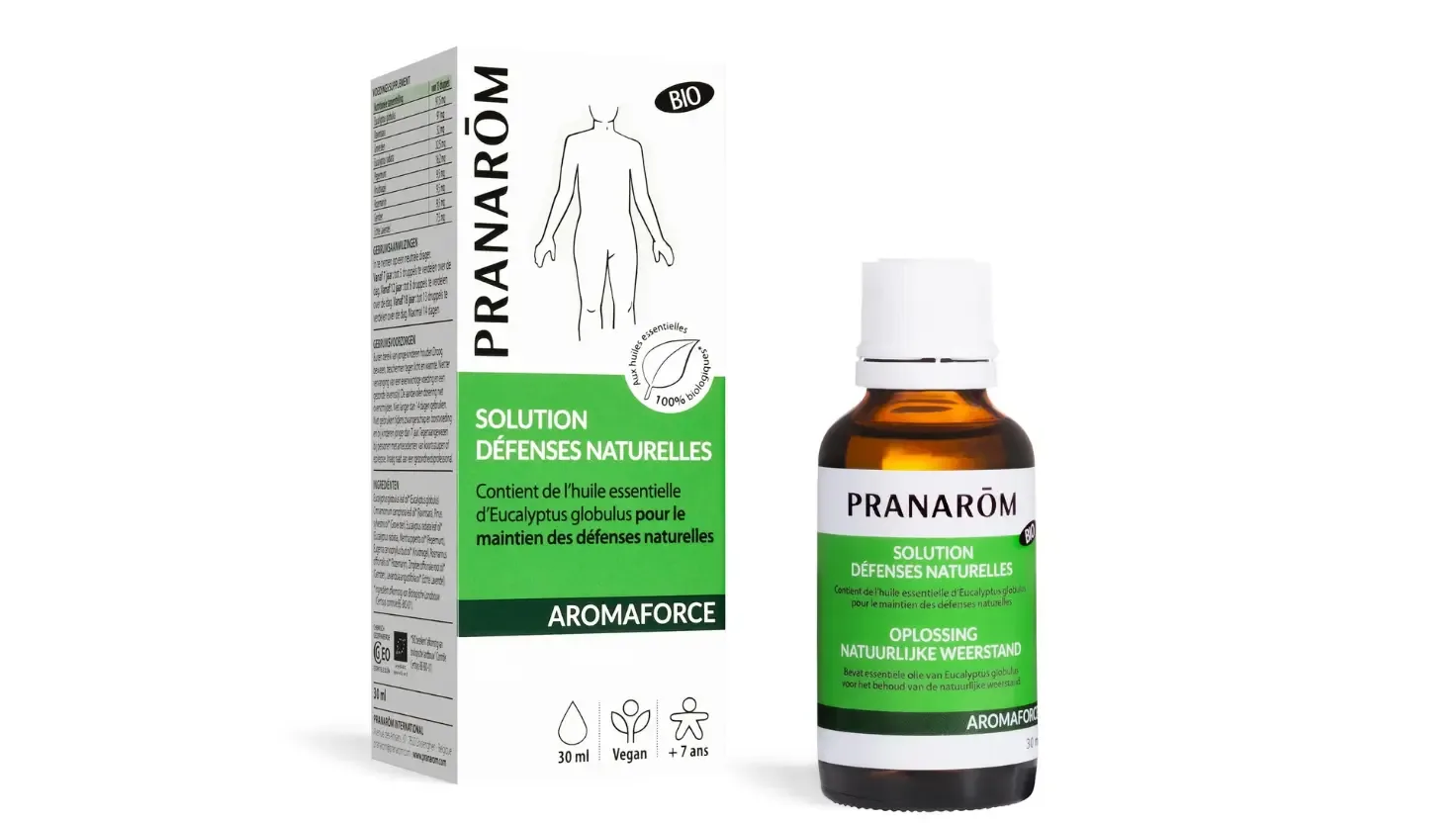
- Essential oils: at the first sign of a runny or irritated nose, I reach for my blends (to be handled with extreme caution). I also use Pranarôm Défense Naturelle solution. I put it on my feet and my solar plexus. And yes, it is a real romance killer. A long way from my Coco Chanel… but sometimes you have to choose between being alluring and being able to breathe.
- Regular hydration: I drink a great deal. In small sips. Hot herbal tea in a flask is always within reach. I have even made hydration a little care ritual. And when I feel like it: a spoonful of honey, just for the pleasure.
- Gentle, gradual exercises: I always start gently, especially for demanding sessions. Humming, glissandos and box breathing. I often work with the Breather, the breathing device Sébastien Croteau introduced me to. I find it ideal for strengthening my diaphragm and developing support.
- Core work (in theory): I know how important it is to have a solid foundation. I have tried. Several times. But let us be honest: my voice is much more diligent than my abs.
It is not a spectacular routine. But it is established. It goes with me through every project: advertising, narration, corporate voice over or documentaries. It helps me stay reliable, centred and available. And offer a voice that is steady, present and alive.

What you really should not do
Before I learnt how to look after my voice, I ticked almost every wrong box. Having paid the price, I am sharing them here. So that perhaps you can avoid them sooner than I did.
- Returning too soon: as soon as your voice comes back a little, it is tempting to think “it will be fine”. Wrong. Being able to speak does not mean your vocal folds are ready to work again. Above all, just because you cannot hear it… does not mean it is not getting worse.
- Taking cortisone without resting: I tried it. It is deceptive. You feel as though you are recovering, but you are masking it. Covering it up. Silencing a symptom that is telling you to stop. For me, the result was six months of vocal instability.
- Whispering to spare your voice: it is not just ineffective; it can make things worse. Whispering puts even more strain on the vocal folds. It is like trying to mend a sprain by running on tiptoe.
- Speaking in the cold, especially outdoors: I always avoid it. If I have to go out in damp or windy weather, out comes that Covid mask again. Not to prevent infection, but to keep the air around my throat warm.
- Clearing your throat: a reflex we think is harmless… but it is like scratching an open wound. Gentle hydration and lukewarm sips are your best allies.
- Skipping your vocal warm-up: especially in the morning or before a demanding recording. You do not need an hour: a few minutes can wake up your breathing, release your jaw and relax your voice.
- Telling yourself you do not “have time to listen to your body”: it is an illusion. If you do not take that time today, your body will impose it on you tomorrow.
Between us, if there is one thing I have learnt, it is that trying to be “professional” at any price does not mean carrying on at all costs… it means knowing when to stop.
Listening to your voice means respecting yourself
For a long time, I thought a professional voice was one that held up. Delivered. Could “keep going” even when it was tired. Today, I know that a professional voice is one you respect. Protect. Know inside out.
Mine has had its absences, its weaknesses and its enforced silences. But those pauses taught me to work differently. To breathe differently. To approach my projects with more awareness, more of my body and a firmer grounding. That changes everything.
Whether you are a voice actor, a teacher, a healthcare worker or simply someone who talks a lot and loudly, remember this: your voice is precious, but it is not inexhaustible. It deserves care. Preparation. Quiet stretches. Sometimes even a Covid mask in strong winds, or an odd-tasting syrup at 8 in the morning.
And if one day you need a professional voice that is steady, clear, alive (and well hydrated), I will be here. To record. But also to talk. Because behind every voice is a human connection. That is what has kept me excited about this work for more than twenty years.
Shall we talk?
This account is based on my personal experience as a voice professional. It is not a substitute for medical advice. If in doubt, consult an ENT doctor or a physician specialising in voice disorders.